
The Cultural Significance of Nomadic Traditions in Kazakhstan’s National Identity
Kazakhstan’s vast steppe heritage is rooted in centuries of nomadic culture. Traditional practices - from the iconic felt-covered yurt to the central role of the horse, eagle hunting, and revered hospitality - have shaped Kazakh social values and symbols. Today these traditions live on in festivals, UNESCO heritage listings, and national discourse, reinforcing a post-Soviet identity that embraces the nomadic past. This article explores how historical nomadism underpins modern Kazakhstan’s identity, with examples of living traditions (eagle festivals, horse rites, dombra music) and government preservation efforts.
Historical Roots of Kazakh Nomadism
Kazakhstan’s identity is inseparable from its steppe nomadism. Archaeological finds at Botai (4th millennium BC) show the earliest evidence of horse domestication in what is now northern Kazakhstan.
Over millennia, tribes roamed the vast grasslands, developing mobile pastoralism. The great Kazakh Khanate (15th–16th centuries) organized nomadic society into hordes and cavalry, famously able to “bring 200,000 horsemen into the field”. Life on the steppe demanded close bonds with animals, clan, and environment. Even Buddhist sources speak of Turkic nomads (like the Khitans) practicing eagle falconry in the 10th century.
Under Tsarist and Soviet rule, traditional nomadic lifestyles were suppressed or forced to settle, but their cultural imprint remained. Oral epics, music, and crafts were transmitted by elders. Since independence (1991), Kazakhstan has consciously revived nomadic symbols as core to its national story. President Nazarbayev and cultural planners tie modern Kazakhstan to steppe heritage: for example, scholarship on Botai notes that horse domestication “marked the beginning of a culture of horsemanship and became a symbol of the era when powerful empires created by nomadic peoples came to the forefront of history”.
The Legacy of the Horse
The horse is the quintessential Kazakh animal. Nomadic families bred special horses for speed and strength; a saying captures the sentiment: “a Kazakh without a horse is like a bird without wings.” Daily life depended on horses for transport, herding, and war.
In modern Kazakhstan, this reverence endures. UNESCO recognized the annual spring horse- breeding rites (the Terisakkan festival) as Intangible Cultural Heritage in 2019. These rituals (e.g. Biye Baylau, the first mare-milking rite) thank nature and mark seasons. They are still practiced in rural communities and showcased at cultural festivals. Statues of horses and national team competitions (e.g. horse racing) reinforce the image of Kazakhstan as a “land of horsemen.” The government even issued commemorative coins and promotes equestrian tourism, seeing horseback heritage as “a powerful incentive ... to continue activities and promote traditions”.
Yurts: The Nomadic Home
The portable yurt (Kazakh kiiz ui) is an enduring symbol. Constructed of a collapsible wooden frame and wool felt covering, the yurt allowed families to follow pasture rains. Beyond practicality, it carried spiritual meaning: UNESCO notes the yurt represents “a model of the universe and a symbol of national identity”, passed down through generations. Every wedding, festival or memorial traditionally involves a yurt. Today, yurts appear at cultural fairs, in village tourism (yurt-stay guesthouses), and even as public monuments. The 2025 UNESCO listing highlights that yurts “are an obligatory part of all folk festivals, traditional events and funeral rituals”, preserved as sacred heirlooms. In cities, the yurt motif decorates logos and souvenirs, signaling continuity.
Hospitality and Communal Values
Nomadic life on the open steppe forged a famous code of hospitality. As Astana Times historian Saltanat Asanova explains: “For centuries, hospitality has stood as one of the defining pillars of Kazakh culture”. By tradition, “a traveler was seen as a messenger from God”; hosts share food and shelter generously. Refusing a guest was a grave moral failing. This practice built social cohesion and trust among clan groups. Equally important was respect for elders and ancestors (the zheti ata “seven forefathers” concept), which ensured cultural continuity. In modern Kazakhstan, these values remain celebrated. Elders are honored on holidays; families honor ancestors in ceremonies. The custom of offering tea and bread to visitors continues both in villages and urban homes. Cultural programs frequently emphasize this heritage: for example, schools teach that “meet a guest as God’s messenger” (a traditional proverb). Overall, nomadic communal ethics - sharing, cooperation, and reverence for lineage - underpin Kazakhstan’s social identity.
Cultural Practices: Games, Rituals, Music
Kazakh nomads expressed their heritage in festivals and the arts. Among the most vivid are kokpar and eagle hunting. Kokpar (a form of buzkashi) is a horseback game where riders vie for a goat carcass. Once a nomad pastime, it has been revived as a national sport. Anthropologists note that since the 2010s, young Kazakhs enthusiastically train as kokparshy (kokpar riders), seeing it as a career and source of prestige. Kazakhstan established formal rules (e.g. safe dummy goats) and now holds competitions at events like the World Nomad Games. The Government cites kokpar as a way to “preserve the ancient values of nomads” in a modern context.
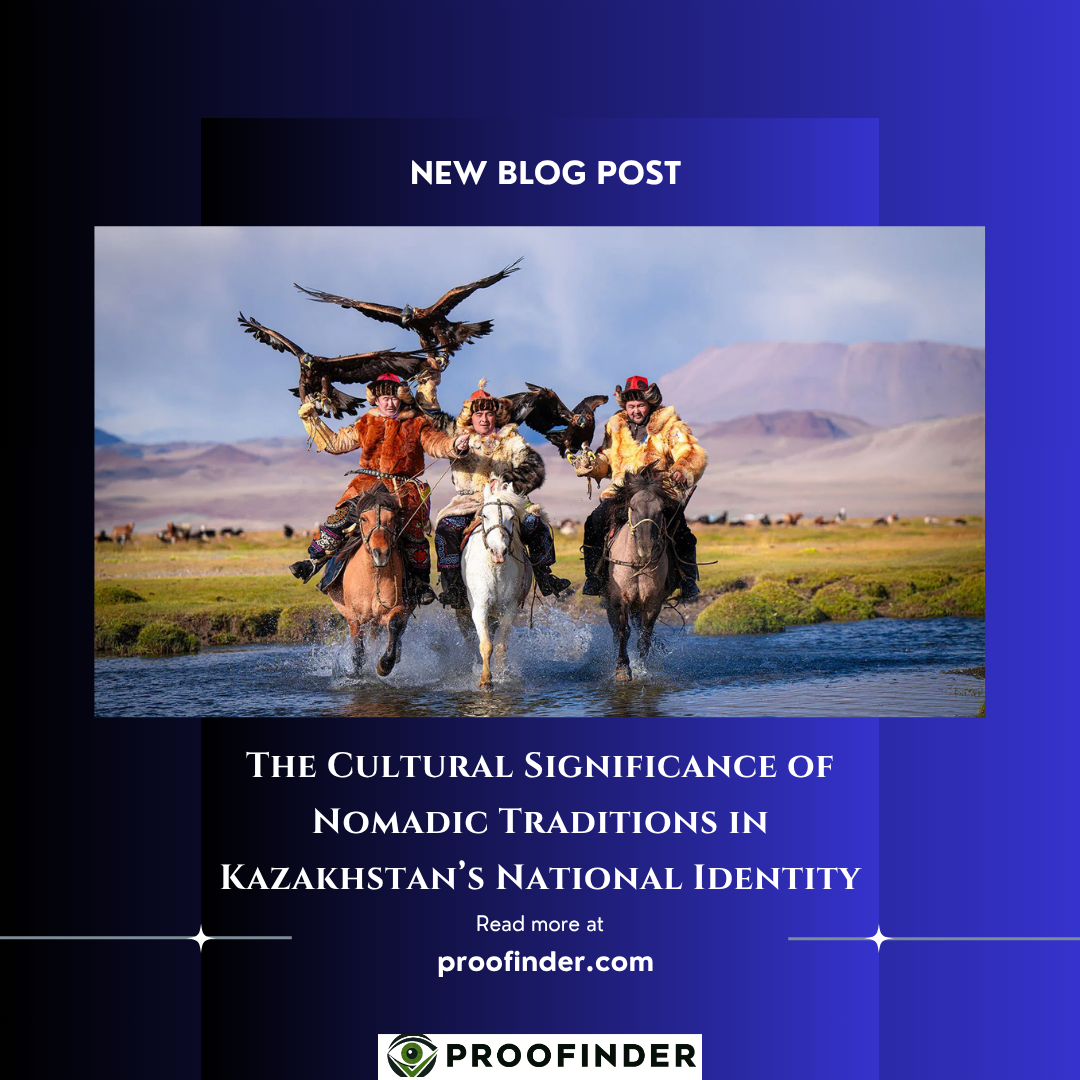
Eagle hunting with golden eagles remains a living tradition among Kazakh communities, especially in western Mongolia. Falconry is recognized by UNESCO as a living heritage. Families in Bayan-Ölgii (Mongolia) still train eagles and compete in the annual Golden Eagle Festival each October. There, nomadic hunters (bürkütshi) ride on horseback, wearing traditional fur coats made from fox and wolf skins - a custom reported since Genghis Khan’s era. While few Kazakhs practice it today in Kazakhstan itself, the tradition symbolizes ancestral skills and inspires cultural tourism (photographic tours, festivals).
Music and storytelling also carry the nomadic spirit. The dombra, a two-stringed lute, is emblematic of Kazakh identity. UNESCO describes Dombra Kuy - solo instrumental pieces on the dombra - as linking Kazakhs to their “historic roots and traditions”.
These improvisational tunes, often accompanied by legends, are performed at gatherings and weddings, reinforcing social bonds. Kazakh folk songs (kyu) and the epic akyn poetic recitals continue to be taught. Modern composers and performers (like world-famous dombraists) blend traditional motifs with contemporary music, keeping the form alive. In short, cultural arts forged under nomadism remain central to national pride and continuity.
Nomadic Heritage in Modern Kazakhstan
Since independence, Kazakhstan has institutionalized nomadic heritage. Festivals, museums, and policies aim to preserve these traditions. The first World Nomad Games (2014) - a multi-sport event co-sponsored by Kazakhstan - explicitly sought to “preserve the ancient values of nomads” through competitions in horse games, wrestling, and folk culture. Each year, regional festivals (like Nauryz spring feast) feature yurt villages, horse races, kokpar matches, and eagle exhibitions. Tourism campaigns promote experiences like eagle-hunting tours or yurt stays, and the government supports events like the Kurmangazy Music Festival celebrating dombra.
UNESCO listings have further raised awareness. The Kazakh government’s 2026 cultural plan emphasizes safeguarding “the construction and decoration of the Kazakh yurt, traditional carpet weaving and terme (oral poetry)...”. These efforts connect to wider identity-building: UNESCO recognitions of dombra music, horse rites, and recently the yurt all underscore nomadic culture as “a symbol of national identity”. Museums in Astana and Almaty display nomadic artifacts, and national holidays often invoke steppe imagery. Young people learn about nomadic lore in schools, and even pop music sometimes incorporates traditional instruments.
At the same time, modernization challenges preservation. Urbanization draws youth to cities, and some customs adapt (e.g. using faux goats in kokpar. The government’s strategy has been to fuse heritage with development: tout UNESCO status as tourism draw and invest in educational programs for “heritage bearers.” Kazakhstan’s participation in UNESCO and regional cultural initiatives aims to keep traditions relevant. For instance, training programs for artisans ensure yurt-makers and dombra players pass skills to new generations. Nonprofits and the Women’s Union work to record oral histories.
Balancing continuity and change, Kazakhstan today frames its nomadic past not as a relic but as “living traditions” that inform its identity. As one Kazakh anthropologist put it: reviving kokpar and eagle hunting is about “reimagining the tradition” for a modern context. The state’s multicultural policy also allows celebrating these customs alongside others, promoting a unified national narrative anchored in steppe roots.
“Tradition preserves identity across time and change.”