
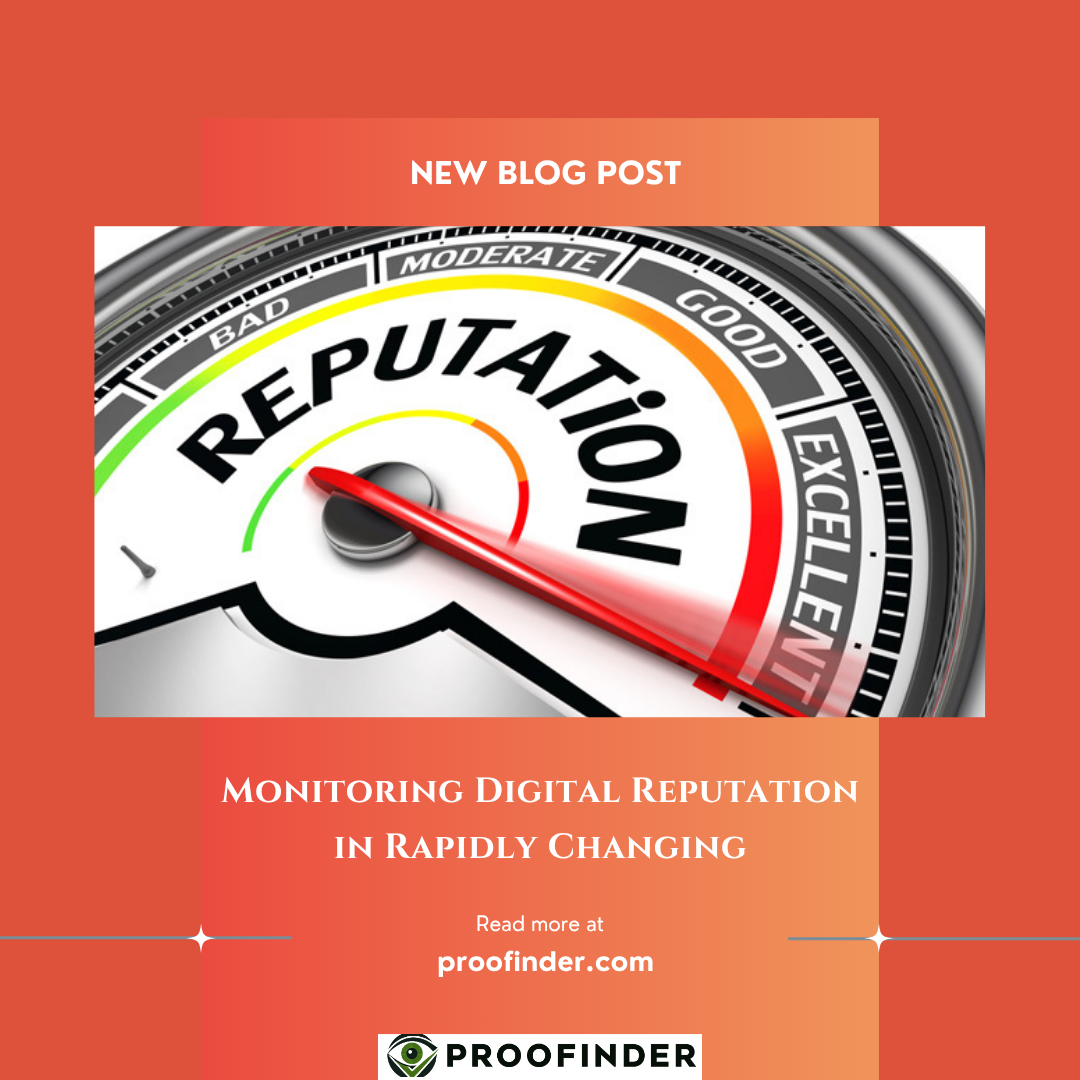
Monitoring Digital Reputation in Rapidly Changing
In today’s hyper-connected world, brand reputation is dynamic, not static. Social media algorithms and constant connectivity mean online perception can shift in hours or even minutes. As one study notes, online reputation is “fluid and multifaceted,” demanding continuous monitoring rather than one-off fixes. In fact, managers face “complex and rapidly changing markets” and often lack the insight needed to keep up. Put simply, a viral post or an emerging trend can instantly alter public sentiment, so organizations must track their digital footprint closely. (One recent analysis reports that 88% of people trust online reviews as much as personal recommendations, underscoring how crucial digital feedback is to brand trust.)
Relevance to Strategy
Monitoring matters most when it ties directly to leaders’ questions and goals. Reputation data should be framed around an organization’s strategic agenda. Effective monitoring typically shows relevance by:Connecting to Objectives: Linking sentiment and mentions to specific goals (e.g. customer satisfaction, market expansion, crisis prevention).
Explaining Urgency: Highlighting why a finding matters now – for example, flagging a spike in complaints just ahead of a product launch.
Spotting Risks and Opportunities: Identifying emerging threats (a rumor or regulatory issue) or opportunities (viral positive mentions or influencer advocacy).
Clarifying Uncertain Situations: Explaining fast-moving trends or conflicting signals in plain terms.
When reputation reports directly address issues on leadership’s agenda, they naturally become part of strategic discussions. For example, monitoring that shows growing concern around a policy or product release ties into decision-making on adjustments or communications. Conversely, generic data without clear action points is easily ignored.
Turning Data into Insight
Raw data alone rarely drives action – reports must interpret the information. Leaders need clear takeaways about what the data means. Influential monitoring outputs typically include:Key Findings Interpretation: Summaries that go beyond “we have X mentions” to explain patterns (e.g. “41% of recent mentions express frustration about shipping delays”).
Signal Identification: Recognition of subtle trends or anomalies (for instance, a slow build-up of negative sentiment tied to a competitor’s campaign).
Contextual Analysis: Background that explains significance – such as how sentiment on social media compares to actual sales or market share.
Implications for Action: Outlining how findings should influence planning (e.g. reallocating ad spend, adjusting a project timeline, or deploying a customer outreach).
For example, in one crisis case study a major brand had 50% of its backlash generated by bots. Smart monitoring would distinguish real consumer reaction from artificial noise, preventing knee-jerk strategy shifts. In short, monitoring should turn mentions into meaningful insight – converting a flood of posts or reviews into strategic understanding that can guide decisions.
With such context and interpretation, field data helps policymakers determine next steps.
Clarity and Accessibility
Even the best insights fail if buried in opaque reports. Digital reputation findings must be clear,concise, and well-organized. Executive readers often skim large volumes of information, soeffective reports usually feature:Logical Structure: A narrative flow (e.g. market overview, key issues, detailed metrics, recommendations) that guides readers step by step.
Clear Summaries: A brief summary of major insights up front (e.g. “Brand sentiment improved 15% this quarter” or “New product launch drove 10% increase in positive mentions”).
Concise Language: Plain terms and bullet lists instead of jargon-heavy analysis, so non-technical leaders grasp the points immediately.
Visual Highlights: Charts or dashboards that spotlight trends (sentiment graphs, share-of-voice bars) making key data quickly digestible.
Clarity ensures decision-makers notice the findings. One expert warns that the online reputation “battlefield has expanded — and accelerated”, so insights need to cut through the noise immediately. Well-presented monitoring reports let leaders absorb the situation at a glance and incorporate it into their thinking.
Timing and Context
The timing of monitoring reports is also critical. Insight delivered too early or too late can miss the decision window. Reports have the most impact when they align with the organization’s decision cycle and current events. Influential timing includes:Strategic Planning Cycles: Insights fed into quarterly reviews or annual planning ensure reputation data shapes the roadmap.
Rapid Shifts or Crises: Unexpected market shifts, PR incidents, or viral trends demand immediate reports for fast response.
Leadership Discussions: Providing current sentiment briefs just before board meetings or campaign launches makes the data actionable.
In other words, deliver monitoring at moments when leaders are looking for answers. For example, a weekly alert during a product rollout or a real-time dashboard during a live campaign keeps reputation data top of mind. As crisis studies emphasize, “real-time brand monitoring...flags spikes in mentions, negative reviews, or negative press” enabling quick corrective action while the issue is still manageable.
Credibility and Trust
Finally, monitoring influences strategy when it comes from a trusted source. Decision-makers must believe in the analysis. Credibility is built by:Rigorous Methods: Using transparent, consistent tools and methodologies (e.g. validated sentiment algorithms, reputable data sources).
Transparent Sourcing: Clearly citing where data comes from (social platforms, news outlets, etc.) and how it’s processed.
Domain Expertise: Analysts who understand the industry context and can interpret nuances accurately.
Track Record: A history of reliable insights – teams whose past reports have successfully predicted trends or helped avert issues.
Over time, leaders rely more on reports from teams they trust. A reputation guru warns that “proactive monitoring, rapid response, and robust crisis management” are needed to protect value. In practice, that means monitoring groups must demonstrate independence (avoiding spin) and analytical skill. When the analysis is solid and transparent, its strategic recommendations carry weight.
From Monitoring to Strategic Action
Monitoring digital reputation is more than a box-check. When done well—tying closely to priorities, interpreting data insightfully, presenting clearly, and delivered at the right time—it becomes a strategic tool. Reports cease to be mere data dumps and instead shape conversations and decisions.
In fast-moving markets, organizations that integrate reputation insights can spot risks early (“negative sentiment spikes”) and even identify false alarms (“bot-driven outrage”). They turn constant market chatter into actionable understanding. Insightful monitoring turns “information into understanding that leaders can act upon” – making digital reputation management an integral part of strategy.
“Digital reputation doesn’t wait—neither should those who monitor it.”